

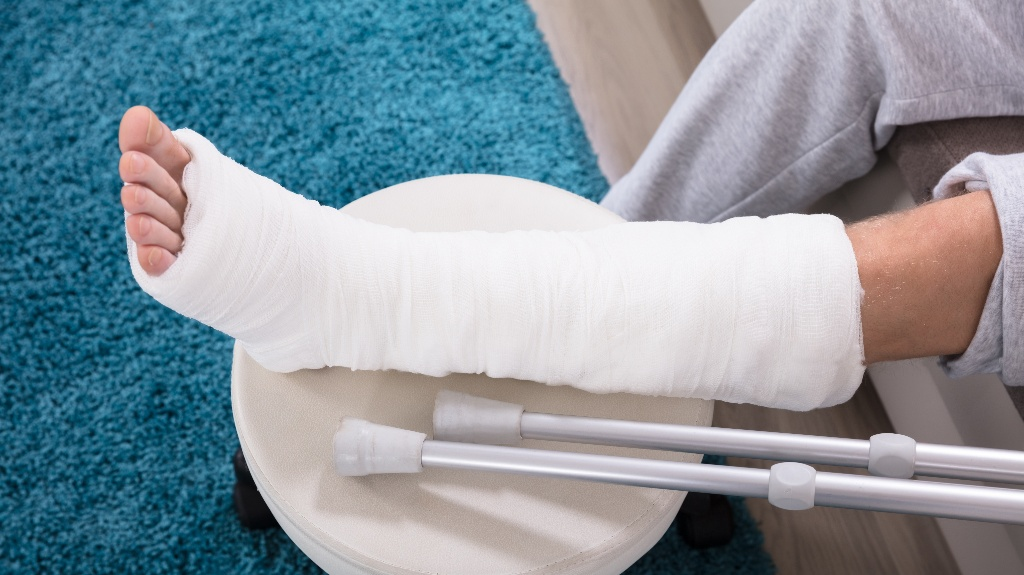
If you were injured on someone else’s property, you may be wondering whether you have the right to file a lawsuit. Slip-and-fall accidents, dog bites, unsafe stairways, icy walkways, and inadequate security are just a few examples of incidents that can lead to serious injuries. In Idaho, these types of cases generally fall under an area of law known as premises liability.
The short answer is: you may have a claim, but it depends on the circumstances.
Understanding Premises Liability in Idaho
Property owners in Idaho have a legal duty to maintain reasonably safe conditions on their property. That duty applies to homeowners, landlords, business owners, and even government entities in certain situations.
However, the extent of that duty can vary depending on why you were on the property in the first place. Idaho courts traditionally consider whether the injured person was:
- An invitee (such as a customer in a store)
- A licensee (such as a social guest)
- A trespasser
Generally speaking, property owners owe the highest duty of care to invitees. For example, a grocery store must regularly inspect its floors for spills and either clean them promptly or warn customers about hazards. If the store knew, or reasonably should have known, about a dangerous condition and failed to address it, it may be held liable for resulting injuries.
For social guests, the duty is somewhat more limited but still requires property owners to warn of known dangers that are not obvious.
Proving a Property Owner Was Negligent
Simply being injured on someone else’s property does not automatically mean the owner is responsible. To successfully pursue a premises liability claim in Idaho, you generally must show:
- A dangerous condition existed on the property
- The property owner knew or should have known about it
- The owner failed to fix the condition or provide adequate warning
- That failure caused your injury
For example, if a loose handrail had been broken for weeks and the landlord ignored repeated complaints, that may support a negligence claim. On the other hand, if a hazard appeared moments before the accident and the owner had no reasonable opportunity to address it, liability may be harder to establish.
What About Comparative Fault?
Idaho follows a modified comparative fault system. This means that if you were partially responsible for your own injury, your compensation may be reduced by your percentage of fault. If you are found to be 50% or more at fault, you generally cannot recover damages.
For instance, if a warning sign was clearly posted and you ignored it, a court may assign you some responsibility. These cases often hinge on careful evaluation of the facts.
Common Examples of Premises Liability Claims
Some of the more frequent types of property-related injury cases include:
- Slip and fall accidents due to wet floors or icy sidewalks
- Injuries caused by unsafe stairs or broken railings
- Dog bite injuries
- Falling merchandise in retail stores
- Inadequate security leading to foreseeable criminal acts
Each case is unique, and liability depends heavily on the specific facts involved.
Time Limits for Filing a Lawsuit

In Idaho, the statute of limitations for most personal injury claims, including premises liability cases, is generally two years from the date of the injury. Missing this deadline can permanently bar your claim. Cases involving government property may have shorter notice requirements, making early legal guidance especially important.
What Should You Do After an Injury?
If you are hurt on someone else’s property, consider taking these steps:
- Seek medical attention promptly
- Document the scene with photos, if possible
- Report the incident to the property owner or manager
- Gather contact information from witnesses
- Avoid giving recorded statements to insurance companies without legal advice
Preserving evidence early can make a meaningful difference in the outcome of a case.
How Bendell Law Firm PLLC Can Help
Premises liability cases are often more complex than they first appear. Property owners and insurance companies may dispute responsibility or argue that the injured person was at fault. At Bendell Law Firm PLLC, we work to thoroughly investigate property-related injuries, identify responsible parties, and pursue fair compensation for medical bills, lost wages, and other damages.
If you were injured on someone else’s property and are unsure whether you have a case, contacting one of our experienced Idaho personal injury attorneys can help you understand your options and protect your rights.